Designing for Lagos: materials that cope with heat, humidity and dust
Strong sun, damp air, salt near the coast, harmattan dust and power cuts all affect how a home ages. Here’s how we choose finishes and details that still look good years later.
A finish that looks wonderful in a showroom can look tired within a year in a Lagos home. Strong sun, humid air, salt near the coast, heavy rain, harmattan dust and an unreliable power supply all take their toll. None of this means you can’t have a beautiful home. It means choosing materials and details with our climate in mind from the very start.
This guide walks through the main parts of a home, room by room and surface by surface, with the practical choices we make for clients in Lagos and across southern Nigeria. Much of it applies to any hot, humid city.
Understand what you’re designing for
It helps to name the challenges clearly:
- Heat and strong sun. Direct sunlight fades fabrics, warms rooms and makes some surfaces uncomfortably hot.
- Humidity. Damp air makes timber swell and shrink, encourages mould, and works its way into cabinets and wardrobes.
- Salt air. Near the coast, in areas like Victoria Island, Ikoyi, Lekki and beyond, salt in the air corrodes cheap metal fittings surprisingly quickly.
- Rainy season. Heavy downpours test windows, door seals, roofs and anything near an outside wall.
- Harmattan. The dry, dusty months around the turn of the year leave a fine layer over everything, especially pale and open surfaces.
- Power supply. Frequent outages mean inverters, generators and solar systems, which affect how we plan lighting and appliances.
Good design doesn’t fight these conditions. It works with them.
Floors
Porcelain tiles, natural stone and terrazzo are hard-wearing, cool underfoot and easy to clean, which makes them a natural fit. Porcelain in particular is dense and absorbs very little water, so it copes well with humidity and spills. Large-format tiles mean fewer grout lines, which look calmer and are easier to keep clean.
Solid timber is beautiful but can swell, shrink and move in humid air. If you love the look of wood, engineered boards (a thin layer of real wood on a stable core) behave much better, and good wood-look porcelain has become very convincing. Either way, we keep real timber away from bathrooms, kitchens near the sink and areas close to doors that open to the outside.
For outdoor areas and wet rooms, slip resistance matters. Ask for tiles with a suitable anti-slip rating, especially around pools, showers and entrances that get wet in the rain. We go into much more detail in our guide to choosing floor tiles, stone and terrazzo.
Walls
In busy rooms like hallways, kitchens and children’s rooms, washable paint finishes save a lot of touching up. Matt finishes look elegant but mark more easily; eggshell or satin finishes are tougher and easier to wipe down.
In bathrooms and kitchens, what you can’t see matters more than what you can. Moisture-resistant boards behind tiles, a proper waterproofing layer in showers, and good ventilation are what stop damp and mould from finding a way in. A beautiful tile on a poorly prepared wall will eventually fail.
On outside-facing walls, watch for damp coming through during the rainy season. It’s worth fixing the cause before decorating, otherwise new paint and plaster will blister within months.
Kitchens, wardrobes and joinery
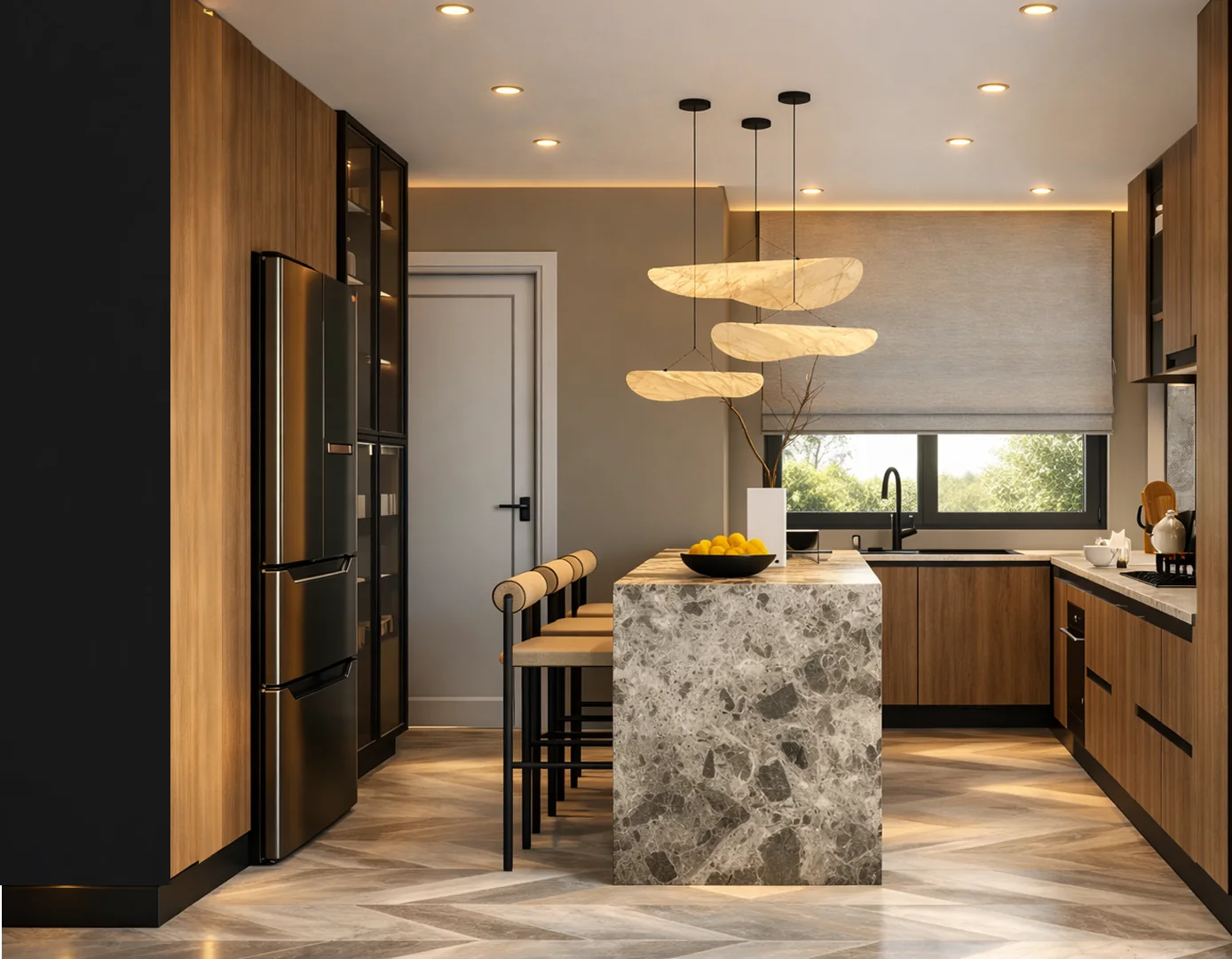
Humidity is hard on cabinets. Standard chipboard and MDF swell when they get wet, especially at the edges and around the sink. We specify moisture-resistant boards for kitchens and bathrooms, well-sealed edges, and good-quality hinges and drawer runners that won’t rust or sag.
Near the coast, salt air can corrode cheap metal fittings quickly. Handles, hinges, taps and towel rails in stainless steel or quality brushed and coated finishes last far longer. It’s worth paying a little more for hardware; it’s the part you touch every day.
Wardrobes need air. Fully sealed, unventilated wardrobes against outside walls can become damp and musty, so we add discreet ventilation and avoid placing wardrobes where water might come through a wall. If you’re planning storage, read our guide to built-in wardrobes and storage.
Worktops
Quartz and granite are popular for good reason: they’re hard, low-maintenance and resist staining. Marble is beautiful but porous and softer, so it marks and stains more easily, especially with acidic foods; it needs sealing and a relaxed attitude to patina. Solid timber worktops need regular oiling and don’t like standing water near sinks.
If your kitchen gets heavy daily use, with large pots, lots of frying and strong spices, choose a worktop that forgives. We cover this in more depth in our article on kitchen design for Nigerian homes.
Fabrics and furniture
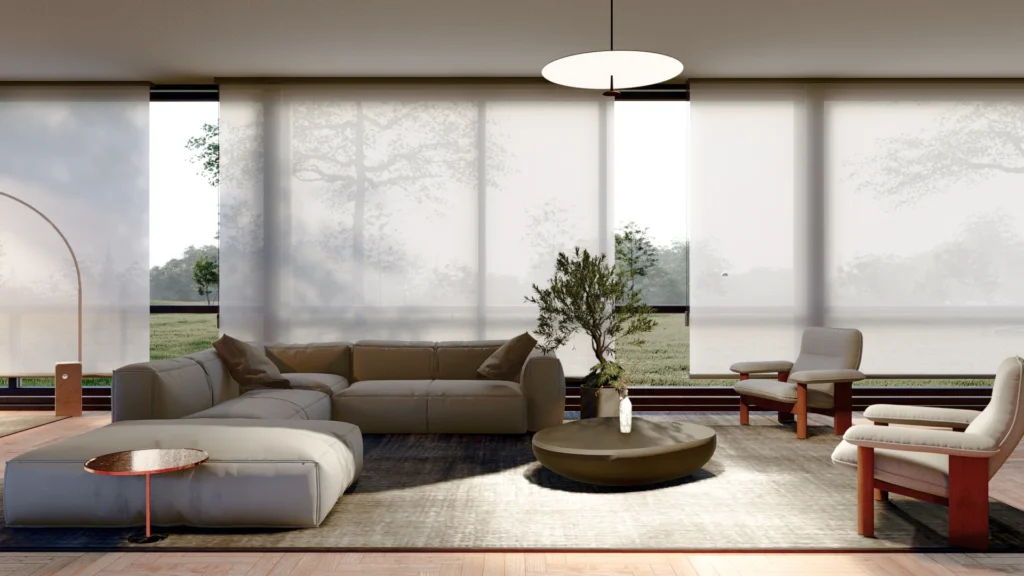
Strong sun fades fabric. Sheer curtains or blinds help protect sofas, rugs and artwork while keeping the room bright. Position the most precious pieces away from direct afternoon sun where you can.
Performance fabrics, made to resist stains and fading, and washable or removable covers make life easier, especially with children. Natural linens and cottons breathe well in the heat but crease and may fade; blends often give the best of both.
Very pale fabrics show harmattan dust and everyday marks. Mid tones, textured weaves and subtle patterns are far more forgiving. Leather can be lovely but needs looking after in humidity, and some faux leathers crack and peel quickly in heat.
Timber furniture should be properly seasoned and treated. Poorly dried wood warps, splits and invites termites. When we design made-to-measure furniture, the timber is one of the first things we discuss.
Light and heat
We plan rooms around the sun. That means shading on the hottest windows (deep reveals, overhangs, blinds or shutters), lighter surfaces that don’t hold heat, and avoiding large areas of unshaded west-facing glass where we can.
Ceiling fans alongside air conditioning mean you’re not dependent on one or the other, and they use far less power, which matters when you’re running on an inverter. Where the layout allows, letting air move through the house from one side to the other makes a real difference on mild days.
When choosing where to put air conditioning units, think about where the cold air will blow. Nobody sleeps well with an AC unit blowing directly onto the bed.
Power
Power cuts are part of life, so we plan for them at the design stage. That means LED lighting throughout, and a clear decision about which lights, sockets and appliances run on your inverter or backup supply. Typically, that includes some lighting in every room, the fridge and freezer, the internet router, fans and a few sockets, while heavy loads like air conditioning, water heaters and ovens stay on the grid or generator.
It’s much easier to get this right on a drawing than to rewire later. Our guide to lighting your home and planning for power cuts goes into detail.
Dust
Closed storage keeps things cleaner than open shelving, especially during harmattan. Well-fitted doors and windows with good seals help too, and they also keep out rain and insects. We still love a few open shelves for books and favourite objects, but we place them carefully, away from doors and windows.
Light fittings with open tops collect dust; enclosed or downward-facing fittings are easier to keep clean. In bedrooms, upholstered headboards with removable covers are easier to look after than fixed ones.
Bathrooms
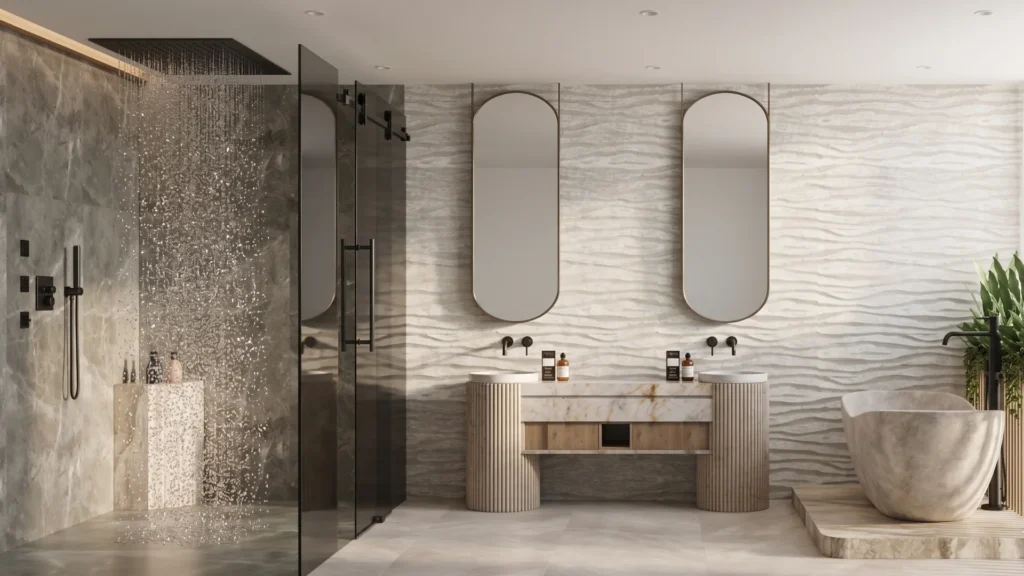
Bathrooms face the toughest conditions in the house: water, steam, chemicals and constant use. Good ventilation, proper waterproofing, sensible falls so water drains away, and fittings that resist corrosion are essential. We’ve written a whole guide to bathroom design that lasts.
Doors and windows
Doors and windows do a lot of work in our climate. They keep out rain, dust, heat, insects and noise, and they let in light and air. Good seals and properly fitted frames make a noticeable difference to comfort, cleaning and running costs. Aluminium frames with quality powder coating cope well with humidity; cheaper finishes can chalk and fade in strong sun.
Internal timber doors should be made from well-seasoned wood or engineered cores, otherwise they swell and stick in the rainy season. Insect screens on opening windows are worth planning from the start rather than adding as an afterthought.
Outdoor spaces
Balconies, terraces and courtyards get the full force of sun and rain. Choose outdoor-rated furniture in powder-coated aluminium, treated hardwood or quality synthetic weaves, with cushions made from outdoor fabric that dries quickly and resists fading. Make sure floors drain properly so water doesn’t pool against the door, and pick tiles with enough grip for wet days.
Maintenance, honestly
Every material needs some care. The question is how much, and whether it suits the way you live. Some people enjoy oiling a timber table and accept that marble will develop character. Others want surfaces they can wipe down and forget. Neither is wrong, but it should be a conscious choice. When we present a design, we tell you what each finish will need over time.
The short version
Choose materials for how they’ll look in five years, not just on the day they’re installed. Favour porcelain, stone and terrazzo for floors; moisture-resistant boards and good hardware for joinery; forgiving fabrics; shading and fans for heat; and a lighting plan that works on your inverter.
If you’re planning a build or renovation and want help getting this right, tell us about your project. You can see how we put these ideas into practice in our recent work.