Lighting your home in Nigeria: layers, LEDs and planning for power cuts
Good lighting transforms a room, and in Nigeria it also has to work on an inverter. How to plan layered lighting, choose the right LEDs and decide what runs on backup power.
Lighting is the most underrated part of interior design. The same room can feel flat and harsh or warm and inviting depending on how it’s lit, and good lighting doesn’t have to mean expensive fittings. It’s mostly about planning: putting the right light in the right place, at the right brightness and colour, controlled by switches that make sense.
In Nigeria, there’s an extra layer to think about. With frequent power cuts, many homes run on inverters, solar systems and generators for part of the day. A good lighting plan considers which lights stay on when the grid goes off, so your home still works and still feels good. This guide covers both.
Think in layers
Most rooms are lit by one light in the middle of the ceiling. It’s the least flattering, least flexible way to light a room: it casts shadows, flattens textures and gives you only one mood. Designers light rooms in layers instead.
Ambient light
The general light that fills the room so you can move around safely. This can come from ceiling lights, recessed downlights, cove lighting hidden in a ceiling detail, or a large pendant. On its own, it should be comfortable rather than glaring.
Task light
Focused light where you do things: under kitchen wall cabinets onto the worktop, beside a mirror for shaving and make-up, over a desk, beside a reading chair. Task light should be bright and placed so your own body doesn’t cast a shadow on what you’re doing.
Accent light
Light that draws the eye: on a piece of art, washing down a textured wall, inside a display shelf, grazing a stone feature. Accent light gives a room depth and character, especially in the evening.
Decorative light
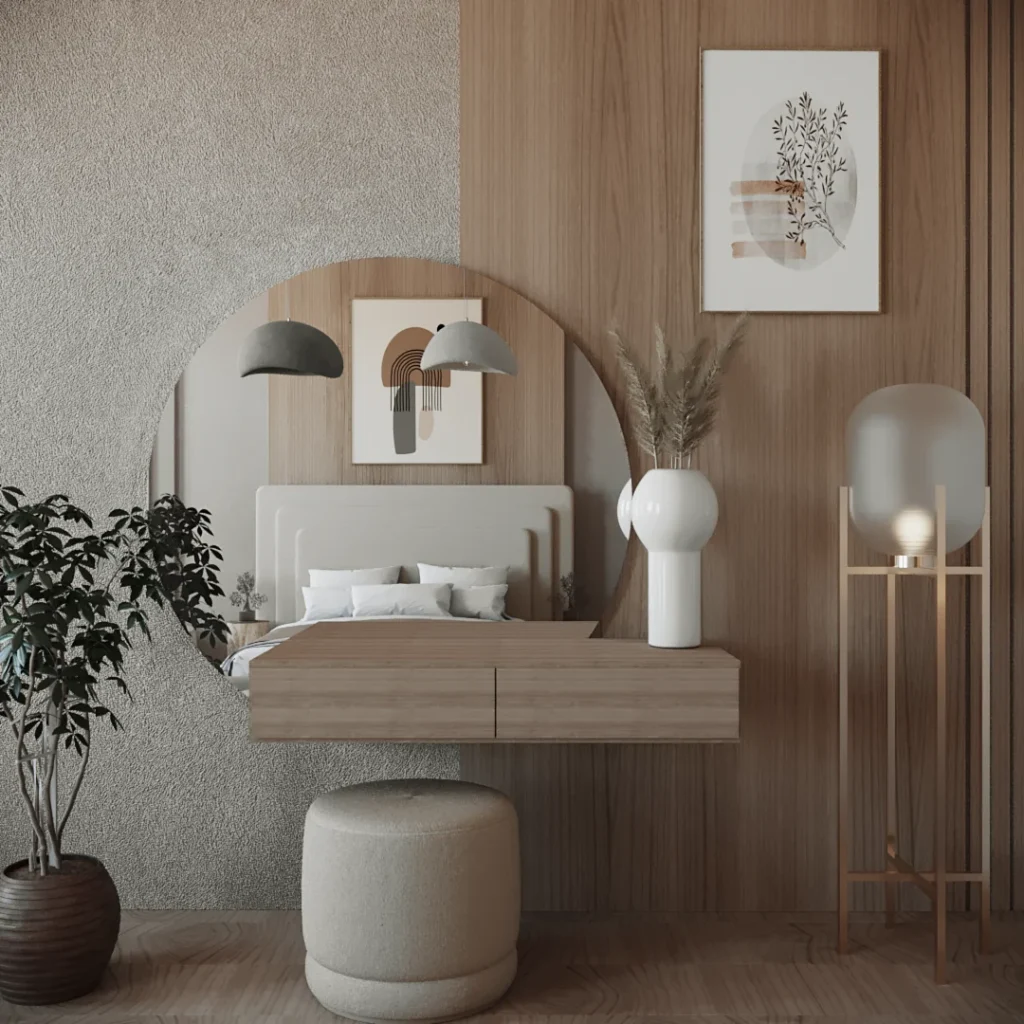
Fittings that are beautiful in themselves: a sculptural pendant over a dining table, a pair of wall lights beside a bed, a lamp with a lovely shade. They often provide some ambient or task light too, but their main job is to look good.
A well-lit room usually combines at least three of these layers, each on its own switch or dimmer, so the room can change from bright and practical to soft and relaxed.
Choosing LEDs: colour and quality
LEDs are now the obvious choice for almost every light in the home. They use far less power than older bulbs, last much longer and produce less heat, which matters in a hot climate. But not all LEDs are equal.
Colour temperature
Measured in kelvin (K), colour temperature describes how warm or cool the light looks:
- 2700K to 3000K: warm white, similar to traditional bulbs. Ideal for living rooms, bedrooms and dining areas.
- 3500K to 4000K: neutral white. Good for kitchens, bathrooms, workspaces and utility areas.
- 5000K and above: cool or “daylight” white. Often feels harsh and clinical in homes; best kept for garages and outdoor security.
Many Nigerian homes use very cool white bulbs throughout, which can make even a beautiful room feel like an office. Switching living spaces and bedrooms to warm white is one of the cheapest ways to improve a home.
Keep colour temperatures consistent within a room. Mixing warm and cool lights in the same space looks unsettled.
Colour rendering
The colour rendering index (CRI) tells you how accurately a light shows colours. Cheap LEDs with low CRI make skin look grey, food look dull and fabrics look different from the samples you chose. Look for a CRI of 90 or above for living spaces, kitchens and bathrooms.
Glare
Bright, bare LED points are uncomfortable to look at. Choose fittings where the light source is recessed or diffused, especially for downlights you’ll see from the sofa or bed.
Plan lighting room by room
Living rooms
Combine soft ambient light with lamps at sitting height, accent light on art or a feature wall, and dimmers so the room works for a party and a quiet film. See our guide to living room design.
Kitchens
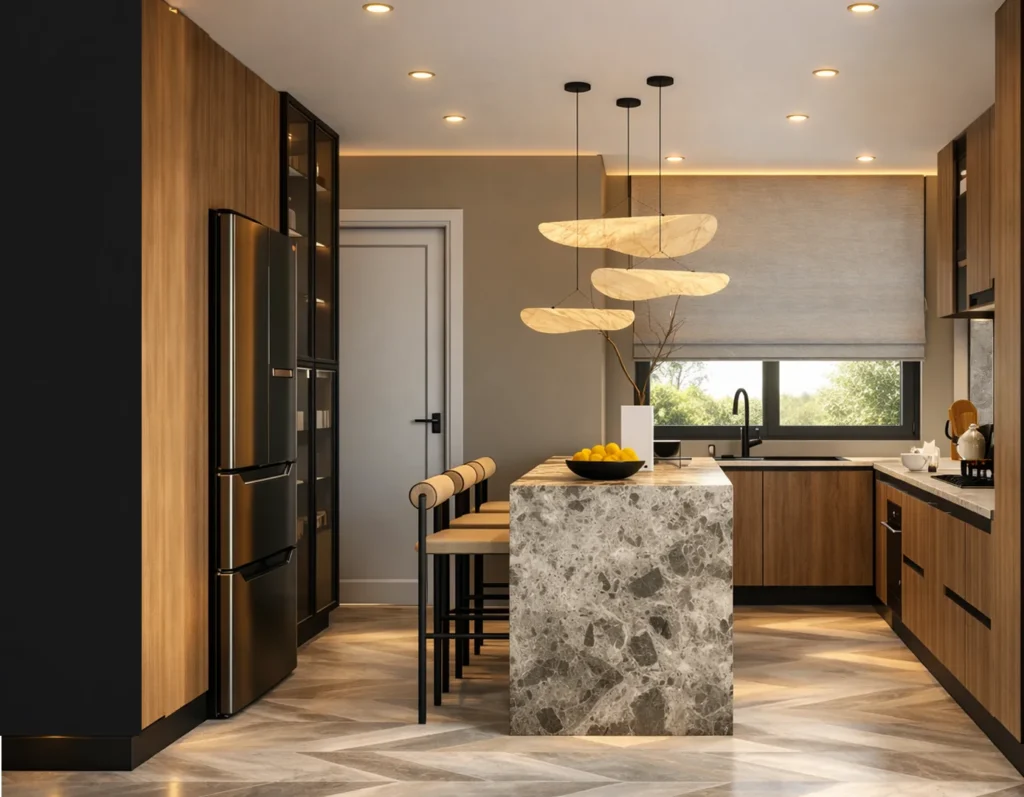
Strong, even task lighting on worktops, usually from under the wall cabinets, plus general ceiling light and perhaps pendants over an island or table. More in kitchen design for Nigerian homes.
Bedrooms
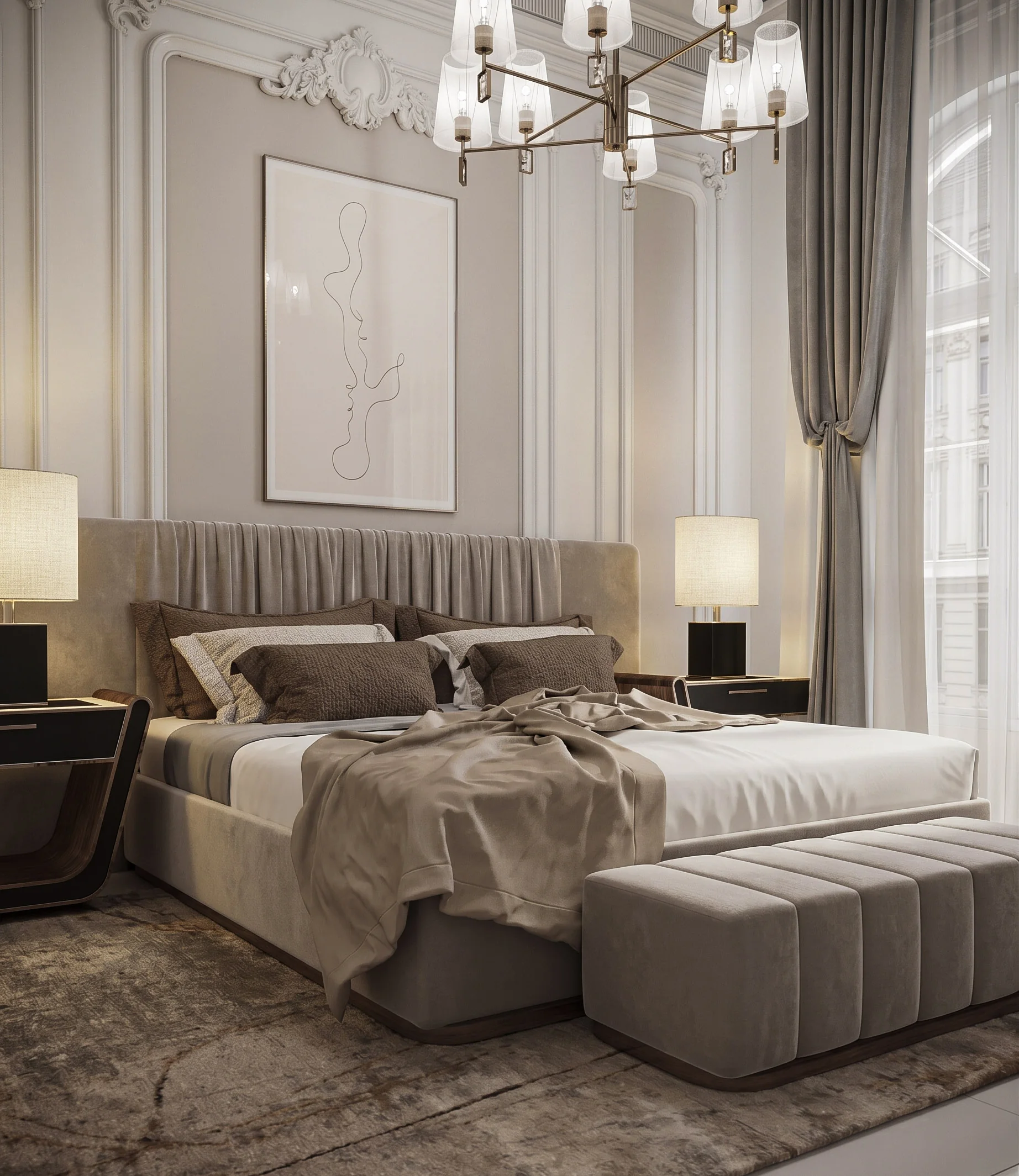
Warm bedside lights on both sides with switches reachable from bed, two-way switching for the main light, and a low night light. See bedroom design for better sleep.
Bathrooms
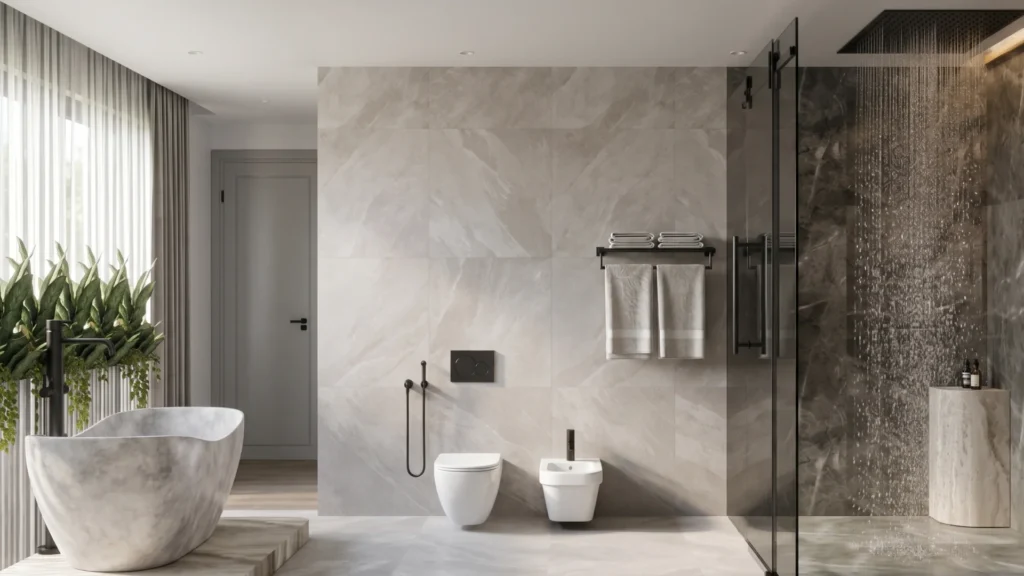
Even light on the face from the sides of the mirror or a backlit mirror, general ceiling light rated for wet areas, and perhaps softer light for a bath.
Hallways and stairs
Low-level lights on stairs, or lights at both ends with two-way switching, make moving around at night safe. Motion sensors work well in corridors and on the way to the toilet at night.
Outside
Security lighting, plus softer lighting for terraces and gardens so you can enjoy them in the evening. Choose outdoor-rated fittings that resist rain and corrosion.
Planning for power cuts
This is where Nigerian homes differ from most lighting guides. When the grid goes off, your inverter, solar system or generator takes over. Inverters and batteries can only supply a limited amount of power for a limited time, so you need to decide what runs on them. If you are still sizing a system, this guide to choosing the right solar inverter explains what to look for.
Separate your circuits
The cleanest solution is to split the house wiring into two sets of circuits: essential circuits that run on the inverter, and heavy circuits that run only on the grid or generator. This must be planned before wiring starts. Rewiring later is messy and expensive.
What usually goes on backup
- Some lighting in every room, especially living areas, kitchen, bedrooms, bathrooms, corridors and stairs.
- Security lights and the gate.
- Ceiling fans.
- The fridge and freezer.
- The internet router, phone chargers and a few general sockets.
- Television and small electronics.
- Bathroom extractor fans, if they’re efficient.
What usually stays off backup
- Air conditioning units, unless you have a large solar system designed for them.
- Water heaters, especially instant heaters.
- Electric cookers, ovens, kettles, irons and microwaves.
- Pumping machines, unless your system is sized for them.
Your electrician or solar installer will size the system based on what you want to run and for how long. The design should make this decision easy to live with: for example, putting the softer evening lights on the inverter so the house still feels warm during an outage, not just the harsh ceiling lights.
Make it obvious
Label the fuse board clearly, and consider small indicators or a consistent position for inverter-powered sockets, so family members and staff know which sockets are safe to use for heavy appliances during an outage.
Switches and controls
The best lighting design fails if the switches are in the wrong place. Put switches where your hand naturally goes when you enter a room, at a consistent height. Use two-way switching for rooms with two entrances and for stairs. Group switches logically and label them if there are many. Dimmers make a huge difference in living and dining rooms; make sure the LEDs and dimmers you choose are compatible, or you’ll get flicker and buzzing.
Smart lighting can be convenient, but keep it simple and make sure everything still works with ordinary switches, especially when the power drops and returns.
Daylight is lighting too
Natural light is the best light there is, and in Nigeria we have plenty of it. The design challenge is usually controlling it: letting light in without too much heat and glare. Sheer curtains, blinds, shading and the position of furniture all matter. Pale, matt surfaces bounce daylight deeper into a room; dark, glossy ones absorb or reflect it harshly.
We explain more in designing for Lagos heat, humidity and dust.
Common lighting mistakes
- One ceiling light per room and nothing else.
- Cool daylight bulbs in living rooms and bedrooms.
- Cheap LEDs with poor colour rendering.
- Rows of downlights that make ceilings look like a grid.
- No plan for what runs on the inverter.
- Switches behind doors or in awkward places.
- Dimmers and LEDs that aren’t compatible.
Lighting and the 3D design
When we design a home, we place every light in the 3D model so you can see how each room looks in the evening, not just in daylight. It’s often the moment clients realise how much difference good lighting makes, and it lets us adjust positions before a single cable is run. Read more about how we use 3D.
Budget-friendly lighting upgrades
If you’re not renovating, you can still improve your lighting a great deal:
- Swap cool white bulbs for warm white in living spaces and bedrooms.
- Add two or three lamps at sitting height in the living room.
- Add plug-in LED strips under kitchen wall cabinets.
- Replace a bare bulb with a fitting that diffuses the light.
- Put a lamp on the inverter so evenings during outages feel calmer.
The short version
Light rooms in layers, choose warm, high-quality LEDs, put switches where you need them, plan which circuits run on backup before wiring starts, and use daylight wisely. Do that, and your home will look good at every hour, with or without the grid.
Planning a build or renovation? Tell us about it, and we’ll include a full lighting and power plan in your design.